Real-world Evidence Solutions Market

Real-world Evidence Solutions Market by Component [Datasets (Claims, Clinical, Pharmacy, Genomics), Application [Drug/Device Development (Cancer, Cardio, Neuro), Reimbursement], End User (Pharma, Medtech, Payers, Provider), Region- Global Forecast to 2031



REAL WORLD EVIDENCE SOLUTIONS MARKET SIZE, SHARE & GROWTH SNAPSHOT
Source: Secondary Research, Interviews with Experts, MarketsandMarkets Analysis
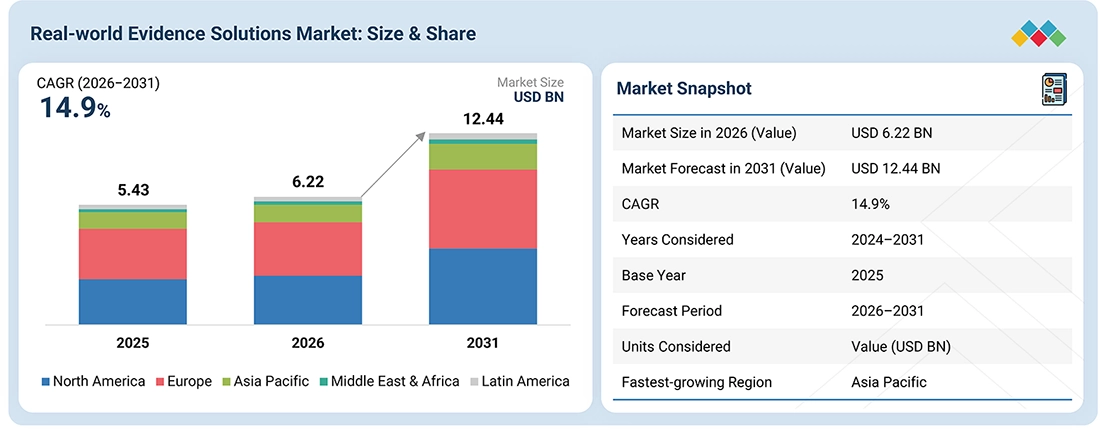
The global real-world evidence (RWE) solutions market is projected to grow from USD 6.22 billion in 2026 to USD 12.44 billion by 2031, at a CAGR of 14.9% during the forecast period. The market was valued at USD 5.43 billion in 2025. The RWE solutions market is growing as healthcare and life sciences organizations increasingly rely on real-world data to complement conventional clinical-trial evidence. The expansion of electronic health records, claims databases, patient registries, pharmacy data, and digital health platforms is creating larger and more diverse datasets that can be used to generate evidence on treatment effectiveness, safety, utilization, outcomes, and healthcare costs.
KEY TAKEAWAYS
-
MARKET SNAPSHOT:
Base Year Market Size (2025): USD 5.43 Billion
Current Market Size (2026): USD 6.22 Billion
Forecast Market Size (2031): USD 12.44 Billion
CAGR (2026–2031): 14.9% -
SEGMENT LEADERSHIP:
Regional Leader: North America accounted for the largest share of 58.3% in 2025.
Fastest-Growing Component: Data sets segment is projected to grow at the fastest rate of 15.5% during the forecast period.
Application Leader: Drug development and approvals segment held the largest share of 32.0% in 2025.
Fastest-Growing Revenue Model: Subscription segment is projected to grow at the fastest rate during the forecast period.
Deployment Mode Leader: Cloud-based segment held the largest market share in 2025.
Fastest-Growing End User: Medtech companies segment is projected to grow at the fastest rate during the forecast period. -
MARKET OUTLOOK & COMPETITIVE LANDSCAPE:
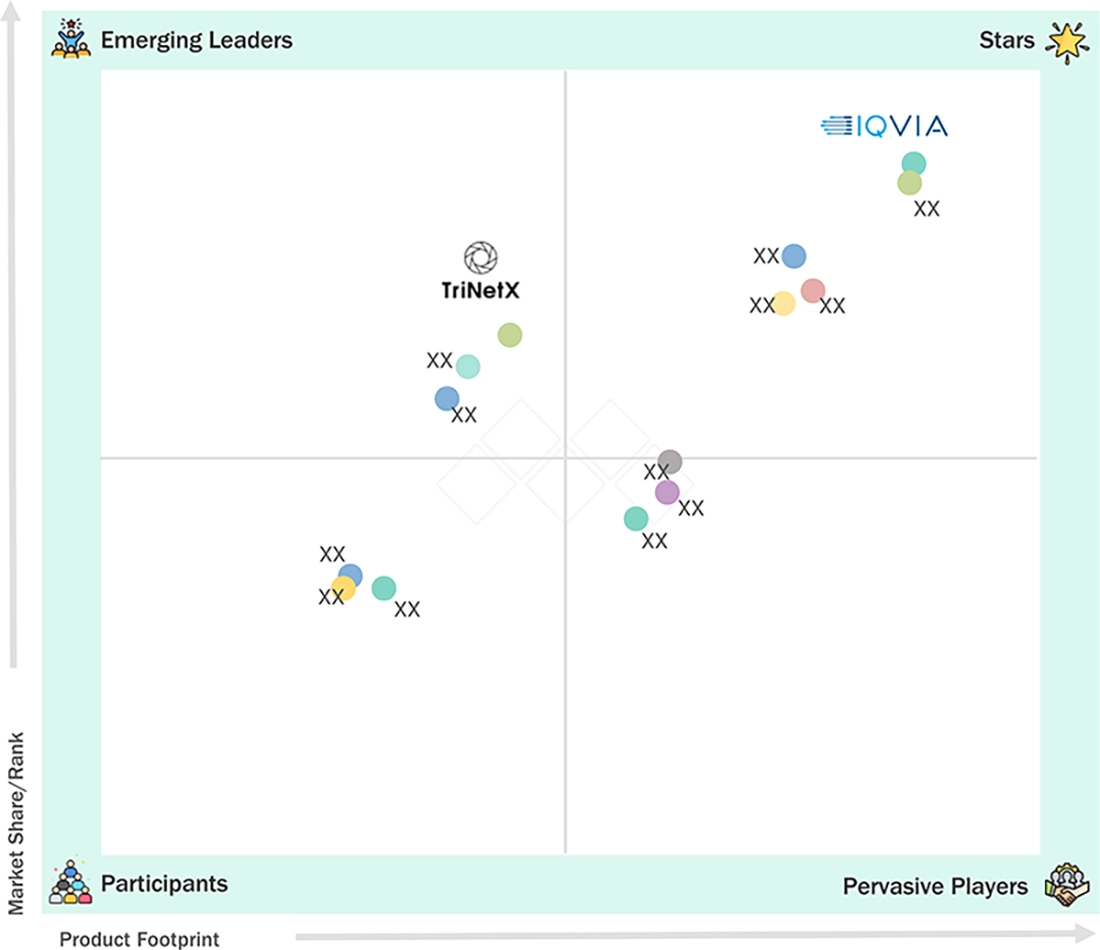
IQVIA, Merative, and Optum were identified as some of the star players in the real-world evidence solutions market, given their strong market share and product footprint.
HealthVerity, Inc., OM1, and OPEN health, among others, have distinguished themselves among startups and SMEs by securing strong footholds in specialized niche areas, underscoring their potential as emerging market leaders.
Advances in data interoperability, AI, machine learning, and advanced analytics are further strengthening market growth by enabling organizations to integrate fragmented data sets and extract insights more efficiently from structured and unstructured healthcare information. Regulatory agencies are also providing clearer frameworks for the use of RWE solutions, while payers and HTA bodies are increasingly seeking evidence on the comparative effectiveness and real-world value of therapies.
TRENDS & DISRUPTIONS IMPACTING CUSTOMERS' CUSTOMERS
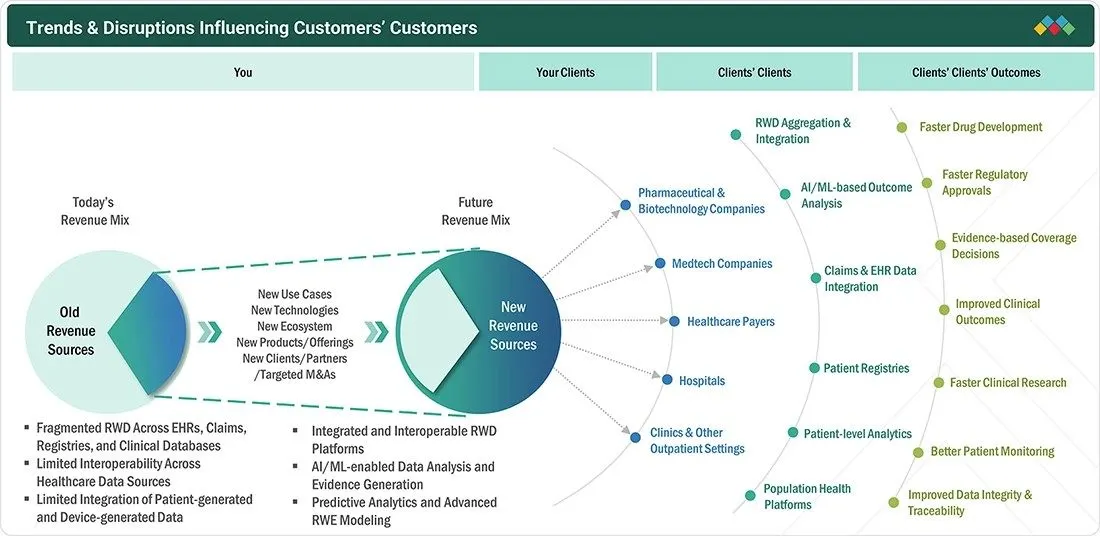
The RWE solutions market is shifting from fragmented, retrospective evidence generation toward integrated, AI-enabled and increasingly regulatory-accepted evidence ecosystems. The growing linkage of EHRs, claims, registries and device- and patient-generated data is expanding the depth and timeliness of RWE, while AI/ML enables faster extraction, analysis, and interpretation of complex data sets. At the same time, regulators are increasingly incorporating RWE solutions into drug and medical device decision-making, creating opportunities for faster clinical development, more efficient regulatory submissions, evidence-based coverage decisions, and improved patient outcomes.
Source: Secondary Research, Interviews with Experts, MarketsandMarkets Analysis
MARKET DYNAMICS

Level
-
Potential of RWE in reducing drug development cost

-
Support from regulatory bodies for use of RWE solutions


Level
-
Reluctance of medical practitioners and researchers to rely on real-world studies

-
Data quality and standardization issues


Level
-
Growth opportunities in emerging markets

-
Increased focus on end-to-end RWE services


Level
-
Shortage of skilled professionals

-
Lack of universally accepted methodology standards

Source: Secondary Research, Interviews with Experts, MarketsandMarkets Analysis
Driver: Potential of RWE in reducing drug development cost
The potential of RWE solutions to reduce drug development costs is a key growth driver for the RWE solutions market. By using existing data from EHRs, claims, registries, and other real-world sources, pharmaceutical companies can reduce the need for certain data-collection activities and improve clinical development efficiency. RWE solutions can also support external control arms, patient identification, trial-site selection, and study design, potentially reducing recruitment requirements and shortening development timelines. For example, in 2025, FDA accepted RWE from a retrospective cohort study as an external control for Gamifant (emapalumab-lzsg). The study used medical chart data from nine centers in North America and Europe to provide a comparison group for patients enrolled in two single-arm studies. This enabled the sponsor to supplement the clinical evidence without conducting a conventional randomized control arm for that comparison.
Restraint: Reluctance of medical practitioners and researchers to rely on real-world studies
Reluctance among some medical practitioners and researchers to rely on RWE as a substitute for traditional clinical evidence can restrain market adoption. Unlike randomized controlled trials, real-world studies are more susceptible to selection bias, confounding, missing data, inconsistent data quality, and differences in EHR coding and documentation, which can affect the reliability and reproducibility of findings. These limitations can make clinicians and researchers cautious about using RWE for treatment effectiveness or causal conclusions. For example, FDA notes that RWD collected during routine care may not contain all data elements required to answer a research question and can have missing or inconsistent information across healthcare systems. Consequently, RWE is generally viewed as complementary to, rather than a complete replacement for, randomized clinical trial evidence.
Opportunity: Growth opportunities in emerging markets
Emerging countries represent a significant growth opportunity for the RWE solutions market, as pharmaceutical companies and healthcare systems increasingly seek locally relevant evidence for regulatory, reimbursement, and clinical decisions. Countries such as China, India, Indonesia, and Thailand have large and diverse patient populations, while local populations are often underrepresented in global clinical trials, increasing the value of country-specific RWD/RWE. Adoption of RWE for HTA and reimbursement is gaining traction across Asia Pacific, although data availability and regulatory frameworks remain uneven. For example, China has established RWE pathways through initiatives such as the Hainan Boao Lecheng pilot zone. The drug COSELA was approved in China using RWE generated through the Hainan pathway and subsequently used additional RWD, including a real-world comparator, during national insurance negotiations. This demonstrates the potential for RWE to support both regulatory approval and reimbursement in emerging markets.
Challenge: Shortage of skilled professionals
The shortage of skilled professionals is a key challenge for the RWE solutions market, as effective RWE programs require multidisciplinary expertise across epidemiology, biostatistics, data science, health economics, clinical research, and healthcare analytics. The growing use of AI/ML and increasingly complex real-world datasets is further increasing demand for professionals who can combine healthcare knowledge with advanced analytical and technical skills. This talent gap can increase the time and cost required to design studies, integrate datasets, validate evidence, and conduct regulatory-grade analyses. Recent workforce research also highlights the need for additional recruitment and upskilling to strengthen data science capabilities in healthcare and public health.
REAL WORLD EVIDENCE SOLUTIONS MARKET: COMMERCIAL USE CASES ACROSS INDUSTRIES
| COMPANY | USE CASE DESCRIPTION | BENEFITS |
|---|---|---|
 |
Integrates claims, EHR, patient-reported outcomes, and wearable data to conduct RWE studies across clinical development, regulatory submissions, market access, and post-launch evidence generation. | Faster evidence generation, stronger regulatory submissions, improved payer negotiations, broader patient insights, and more efficient lifecycle management. |
 |
Uses MarketScan real-world datasets, including longitudinal claims and healthcare utilization data, to support regulatory studies, HEOR, epidemiology, treatment-pattern analysis, and outcomes research. | Longitudinal patient insights, improved evidence quality, stronger regulatory support, better understanding of treatment costs and outcomes, and reduced research time. |
 |
Conducts RWE and claims-based studies using retrospective and prospective data to assess clinical outcomes, healthcare utilization, unmet needs, and the value of healthcare technologies. | Evidence-based market access decisions, improved reimbursement strategies, better understanding of treatment outcomes and utilization, and stronger value propositions. |
 |
Generates RWE through registries, pragmatic trials, claims and EHR analyses, external control arms, comparative-effectiveness studies, and post-approval research across the product lifecycle. | Regulatory- and payer-ready evidence, support for label expansion and reimbursement, reduced site burden, and improved evidence generation efficiency. |
 |
Designs and executes RWE and late-phase studies using EHRs, claims, registries, wearables, patient-reported outcomes, external control arms, and observational studies to evaluate safety, effectiveness, and treatment outcomes. | Regulatory-grade evidence, improved understanding of real-world treatment performance, reduced study burden, better patient insights, and support for regulatory, payer, and clinical decisions. |
Logos and trademarks shown above are the property of their respective owners. Their use here is for informational and illustrative purposes only.
MARKET ECOSYSTEM
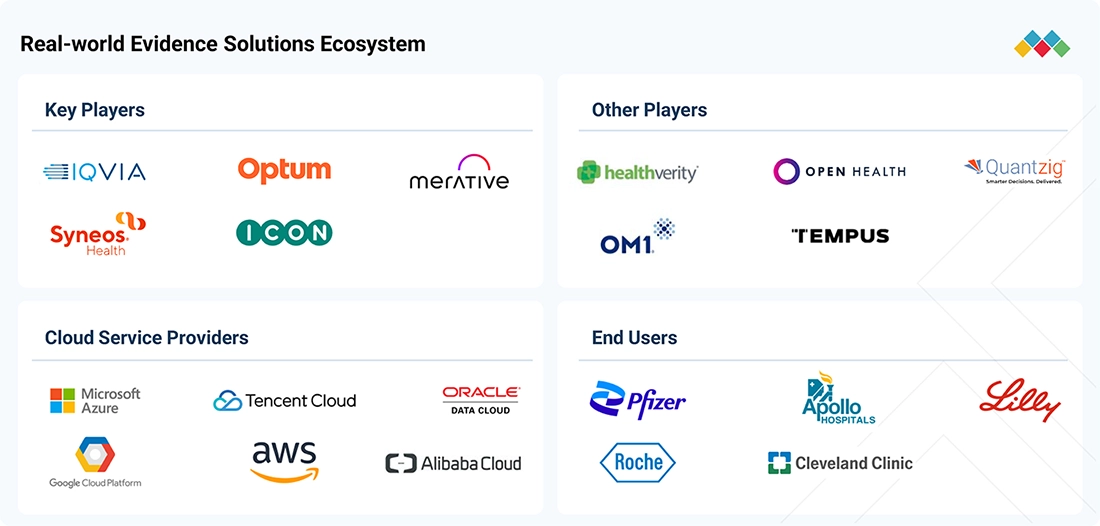
The RWE solutions ecosystem consists of RWE solution providers, specialized data and analytics companies, cloud service providers, and healthcare organizations. RWE providers support data collection, integration, analytics, study design, and evidence generation, while cloud companies provide the infrastructure for managing large-scale healthcare datasets. Pharmaceutical, medtech, payer, and healthcare organizations use these solutions for clinical development, regulatory submissions, market access, safety monitoring, and treatment-outcome assessment. The ecosystem is increasingly adopting AI/ML, cloud-based platforms, interoperable data sources, and longitudinal patient-level datasets to enable faster and more scalable evidence generation.
Logos and trademarks shown above are the property of their respective owners. Their use here is for informational and illustrative purposes only.
MARKET SEGMENTS
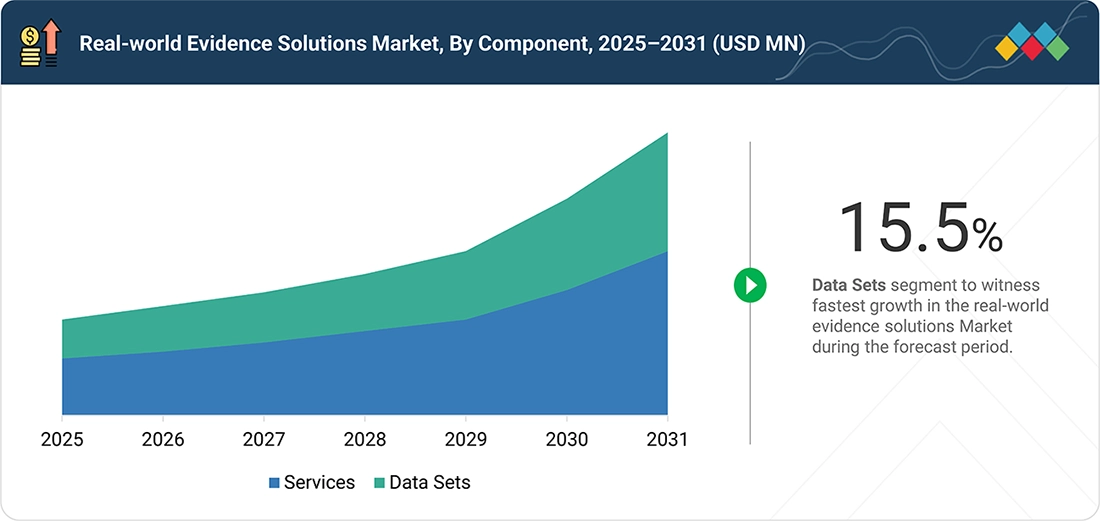
Source: Secondary Research, Interviews with Experts, MarketsandMarkets Analysis
Real-world Evidence Solutions Market, by Component
Based on component, the services segment held the largest share of the RWE solutions market, driven by the growing demand for specialized expertise in RWE study design, data management, epidemiology, biostatistics, HEOR, regulatory support, and evidence generation. As RWE studies increasingly involve complex datasets and require alignment with regulatory and payer requirements, pharmaceutical and medtech companies often rely on specialized service providers to manage the end-to-end evidence-generation process. Companies such as ICON supported a pharmaceutical company with a rare molecular subtype of a solid tumor where conducting a conventional post-approval clinical trial was difficult because of the very small patient population. ICON proposed using a clinico-genomic real-world database to generate evidence instead of initiating a new trial.
Real-world Evidence Solutions Market, by Application
Based on application, the drug development & approvals segment held the largest share of the RWE solutions market, supported by the increasing use of real-world data to complement clinical trial evidence. RWE helps pharmaceutical companies with patient identification, clinical trial design, external control arms, treatment effectiveness and safety assessment, label expansion, and regulatory submissions. Growing regulatory acceptance of RWE is further strengthening its role across the drug development lifecycle. For example, in April 2025, the FDA expanded Isturisa (osilodrostat) to treat adults with Cushing’s syndrome regardless of underlying cause. Real-world evidence from the LINC7 retrospective cohort study in France provided confirmatory evidence for the regulatory decision, showing how RWE can complement clinical-trial evidence to support label expansions.
Real-world Evidence Solutions Market, by Revenue Model
Based on revenue model, the subscription segment held the largest share of the RWE solutions market, as pharmaceutical, biotechnology, and healthcare organizations increasingly require continuous access to RWD, analytics platforms, patient-level datasets, and evidence-generation tools. Subscription-based models provide recurring access to updated datasets and analytical capabilities, allowing users to conduct multiple RWE studies without purchasing individual datasets or projects. RWE data providers such as TriNetX use platform-based access models that enable life sciences organizations to continuously access de-identified healthcare data and analytics for patient population analysis, clinical trial planning, treatment-pattern studies, and outcomes research.
Real-world Evidence Solutions Market, by Deployment Model
Based on deployment model, the cloud-based segment held the largest share of the RWE solutions market, driven by the growing need to store, integrate, and analyze large volumes of real-world data from EHRs, claims, registries, wearables, and other healthcare sources. Cloud platforms provide scalable infrastructure, centralized data access, and advanced analytics capabilities, enabling pharmaceutical and healthcare organizations to conduct RWE studies more efficiently and across larger patient populations. IQVIA provides cloud-enabled access to large-scale RWD through its Analytics Research Accelerator, allowing users to discover, access, integrate, and analyze healthcare datasets through cloud environments such as Snowflake and AWS S3.
Real-world Evidence Solutions Market, by End User
Based on end user, the pharmaceutical and biotechnology companies segment held the largest share of the RWE solutions market, driven by their extensive use of real-world data across the drug lifecycle. RWE is increasingly used for clinical development, patient population identification, external control arms, safety and effectiveness assessment, regulatory submissions, label expansion, and post-market studies. The growing regulatory acceptance of RWE is further encouraging adoption among drug developers. FDA data show that RWE-containing protocols submitted to CDER increased from 10 in FY2023 to 31 in FY2025, highlighting the expanding role of RWE in drug development.
REGION
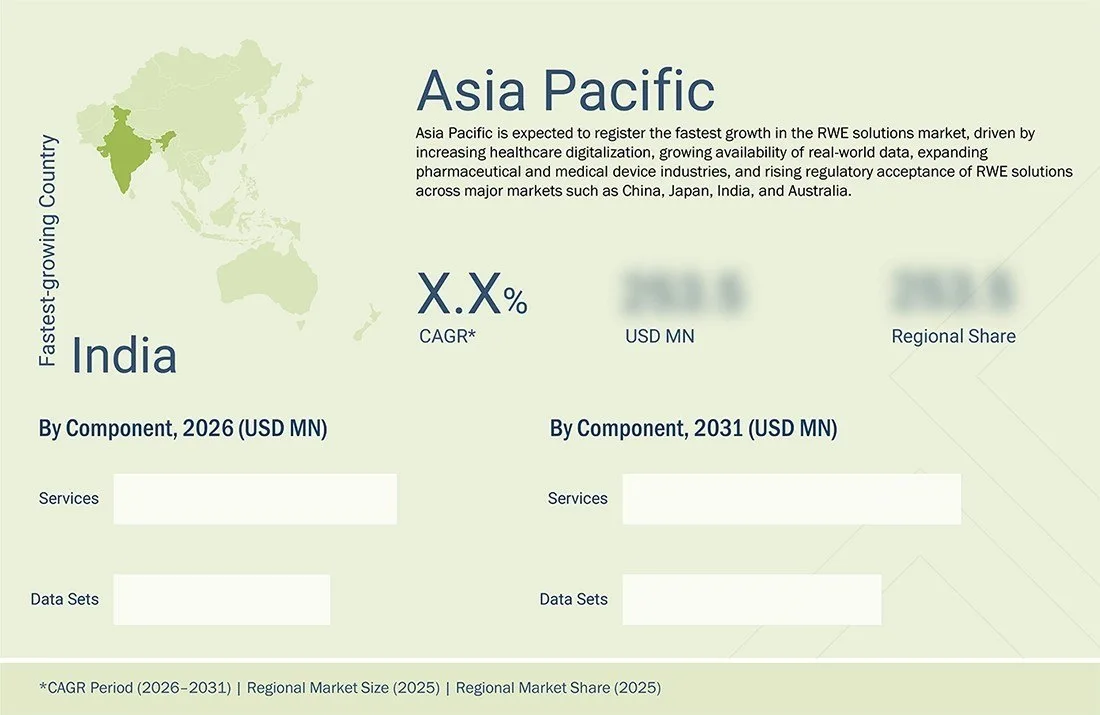
Asia Pacific is the fastest-growing region in the real-world evidence solutions market
Asia Pacific is expected to register the fastest growth in the RWE solutions market, driven by expanding healthcare data infrastructure, increasing clinical research activity, and growing acceptance of RWE in regulatory and reimbursement decisions. China is becoming a key contributor, with its National Healthcare Security Administration issuing six RWE-specific guidelines by 2026, while RWE generated through the Boao pilot zone has supported 13 product approvals. In addition, Asia Pacific accounts for about 50% of global oncology RWE publications, with annual output increasing 53% from 328 studies to 502 between 2020 and 2022, reflecting the region's expanding evidence-generation activity. These developments highlight the region's growing demand for RWD platforms, data harmonization, advanced analytics, and RWE services.
REAL WORLD EVIDENCE SOLUTIONS MARKET: COMPANY EVALUATION MATRIX
IQVIA is a star player in the RWE solutions market due to its strong market presence through its extensive real-world data assets, advanced analytics, end-to-end RWE services, and regulatory expertise, supporting pharmaceutical and biotechnology companies across the drug lifecycle. TriNetX is an emerging player, expanding its RWE footprint through its large federated EHR network, cloud-based analytics, and real-time cohort insights, particularly supporting clinical research, patient population identification, and evidence generation.
Source: Secondary Research, Interviews with Experts, MarketsandMarkets Analysis
KEY MARKET PLAYERS
- IQVIA (US)
- Merative (US)
- Optum Inc. (US)
- Syneos Health (US)
- ICON plc (Ireland)
- Parexel International Corporation (US)
- Flatiron Health (US)
- Oracle (US)
- Fortrea (US)
- Elevance Health (US)
- SAS Institute Inc. (US)
- TATA Consultancy Services Limited (India)
- Trinity Partners, LLC (US)
- Medidata (US)
- Cognizant (US)
- Cegedim Health Data (France)
- Verantos (US)
- Medpace (US)
- TriNetX, LLC (US)
- Datavant (US)
MARKET SCOPE
| REPORT METRIC | DETAILS |
|---|---|
| Market Size in 2025 (Value) (Base Year) | USD 5.43 Billion |
| Market Size in 2026 (Value) (Estimated Year) | USD 6.22 Billion |
| Market Forecast in 2031 (Value) (Forecast Year) | USD 12.44 Billion |
| CAGR | 14.9% |
| Years Considered | 2024–2031 |
| Base Year | 2025 |
| Forecast Period | 2026–2031 |
| Units Considered | USD Billion |
| Report Coverage | Revenue Forecast, Company Ranking, Competitive Landscape, Growth Factors, and Trends |
| Segments Covered |
|
| Regions Covered | North America, Asia Pacific, Europe, Latin America, Middle East & Africa |
WHAT IS IN IT FOR YOU: REAL WORLD EVIDENCE SOLUTIONS MARKET REPORT CONTENT GUIDE
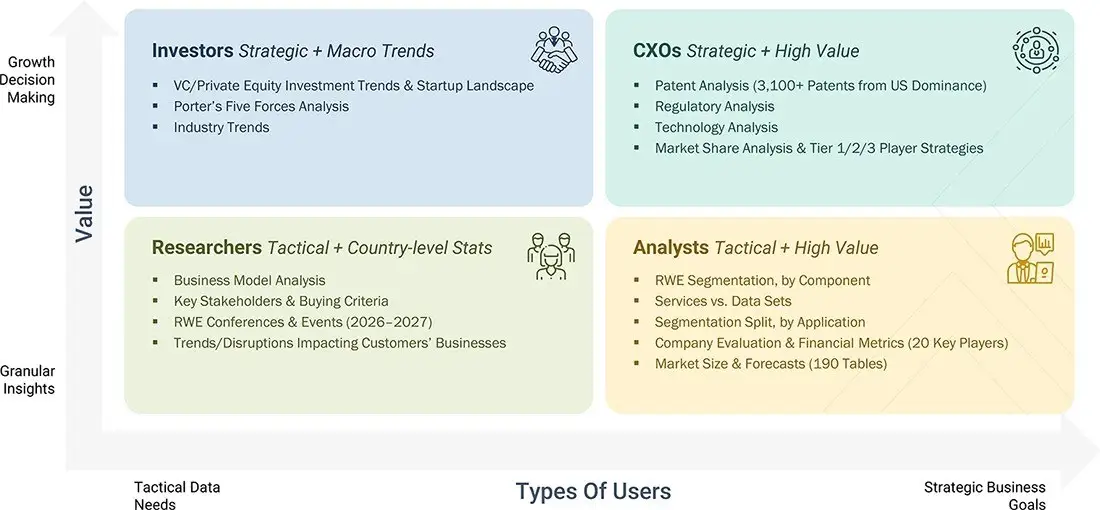
DELIVERED CUSTOMIZATIONS
We have successfully delivered the following deep-dive customizations:
| CLIENT REQUEST | CUSTOMIZATION DELIVERED | VALUE ADDS |
|---|---|---|
| Map the RWE Solutions Ecosystem | Mapping of RWE solution providers, RWD platforms, data providers, analytics companies, evidence networks, technology partners, and CROs | Identifies market opportunities, competitive gaps, partnership opportunities, and potential acquisition targets |
| Assess High-growth mHealth Technologies | Analysis of AI/ML-enabled RWE analytics, EHR/claims data integration, patient registries, data linkage, interoperability, predictive analytics, and federated data platforms |
|
| Identify High-ROI Use Cases | Evaluation of RWE applications across drug development, regulatory submissions, clinical trial optimization, external control arms, post-market surveillance, market access, and HEOR | Enables focused product development, evidence-generation strategies, and go-to-market planning |
| Understand End-user Needs | Assessment of RWE adoption across pharmaceutical & biotechnology companies, medtech companies, healthcare payers, hospitals, and clinics/outpatient settings | Identifies key adoption drivers, unmet needs, purchasing priorities, and growth opportunities |
RECENT DEVELOPMENTS
- September 2026: Oracle (US) announced enhancements to Oracle Life Sciences Data Intelligence on September 23, 2026, combining real-world data, domain-trained AI and advanced analytics in a connected platform. The capabilities enable pharmaceutical research teams to explore patient cohorts using natural language, conduct outcome analyses and automate research workflows, drawing on Oracle Health Real-World Data, which includes more than 122 million de-identified patient records.
- May 2026: Merative (US) launched the MarketScan Partner Ecosystem on May 14, 2026, expanding its real-world evidence capabilities by connecting MarketScan Research Databases with curated datasets from external collaborators. The ecosystem enables researchers to supplement longitudinal claims data with additional clinical and specialty information, including electronic health records, laboratory and diagnostic results, and patient-level data from outside traditional care settings.
- October 2025: Flatiron Health (US) unveiled scientific innovations on October 15, 2025, to expand oncology real-world evidence generation. The advances included large-scale, LLM-extracted real-world progression data, an AI-driven data-quality framework and harmonized multinational datasets, enabling broader oncology research using its network of more than five million patient records and 1.5 billion data points.
- April 2025: IQVIA (US) published a case study on April 15, 2025, describing its collaboration with a pharmaceutical sponsor seeking to expand a medicine’s label to a new patient population. IQVIA provided and positioned regulatory-grade real-world data to support engagement with the FDA and the product’s potential label expansion without relying on traditional randomized clinical trials.
- March 2025: ICON plc (Ireland) introduced PatientSourceDUO, a real-world data asset scheduled to reach the market in March 2025. The tokenized, analytically ready dataset combines the longitudinal coverage of open claims with the patient-level precision of closed claims, supporting research and commercial evidence strategies across the product lifecycle.
Table of Contents
 Exclusive indicates content/data unique to MarketsandMarkets and not available with any competitors.
Methodology
The study involved five activities to estimate the current size of the real-world evidence (RWE) solutions market. Exhaustive secondary research was conducted to collect information on the market and its varied subsegments. The next step was to validate these findings, assumptions, and sizing with industry experts across the value chain through primary research. Both top-down and bottom-up approaches were employed to estimate the complete market size. Thereafter, market breakdown and data triangulation procedures were used to estimate the market size of the segments and subsegments.
Secondary Research
In the secondary research process, various secondary sources such as annual reports, press releases & investor presentations of companies, white papers, certified publications, articles by recognized authors, gold-standard & silver-standard websites, regulatory bodies, and databases (such as D&B Hoovers, Bloomberg Businessweek, and Factiva) were referred to in order to identify and collect information for the study of the RWE solutions market. It was also used to obtain important information about the top players, market classification, and segmentation according to industry trends to the bottom-most level, geographic markets, and key developments related to the market. A database of the key industry leaders was also prepared using secondary research.
Primary Research
In the primary research process, various supply-side and demand-side sources were interviewed to obtain qualitative & quantitative information for this report. Primary sources from the supply side included industry experts such as CEOs, vice presidents, marketing and sales directors, technology & innovation directors, biostatisticians, and related key executives from various companies and organizations operating in the RWE solutions market. Primary sources from the demand side included industry experts, such as directors of pharmaceutical, biopharmaceutical, and medical device companies, contract manufacturing organizations, directors of RWE vendor companies, directors of clinical research organizations, and other related key executives.
Breakdown of Primary Participants
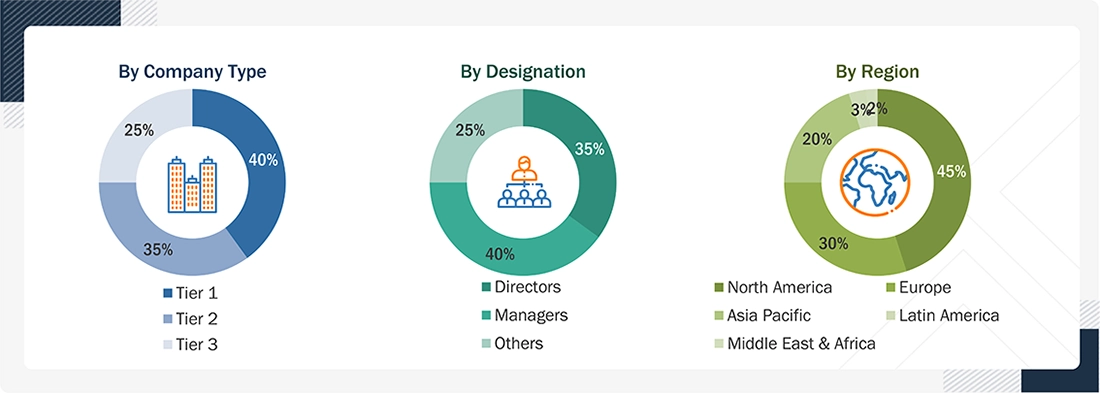
Note 1: Others include sales managers, marketing managers, and product managers.
Note 2: Tiers of companies are defined on the basis of their total revenues. As of 2025. Tier 1 = >USD 1 billion, Tier 2 = USD 500 million to USD 1 billion, and Tier 3 = <USD 500 million.
To know about the assumptions considered for the study, download the pdf brochure
Market Size Estimation
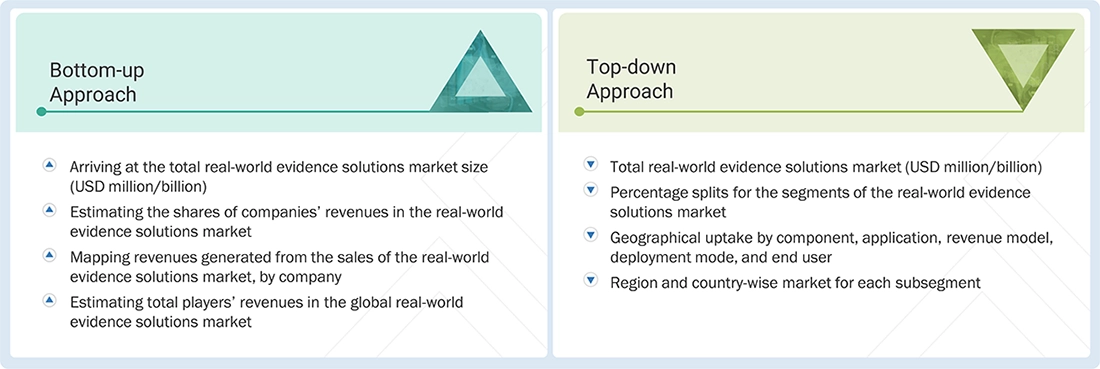
Both top-down and bottom-up approaches were used to estimate and validate the total size of the RWE solutions market. These methods were also used extensively to estimate the size of various subsegments in the market. The research methodology used to estimate the market size includes the following:
- The key players in the industry and markets have been identified through extensive secondary research.
- The industry’s supply chain and market size, in terms of value, have been determined through primary and secondary research processes.
- All percentage shares, splits, and breakdowns have been determined using secondary sources and verified through primary sources.
Global RWE Solutions Market Size: Bottom-up Approach & Top-down Approach
Data Triangulation
After arriving at the overall market size using the market size estimation processes, the market was split into several segments and subsegments. To complete the overall market engineering process and arrive at the exact statistics of each market segment and subsegment, the data triangulation and market breakdown procedures were employed, wherever applicable. The data was triangulated by studying various factors and trends from both the demand and supply sides in the RWE solutions market.
Market Definition
Real-world evidence is clinical evidence about the usage & potential benefits or risks of a medical product derived from real-world data analysis. This evidence is derived from the analysis of real-world data (RWD), information collected from sources such as electronic health records, insurance claims, patient registries, and data gathered from other sources (such as digital health technologies) that can inform individuals on health status.
Key Stakeholders
- Original Equipment Manufacturers
- Pharmaceutical & Biotechnology Companies
- Medical Device Companies
- Clinical Laboratories
- Contract Research Organizations
- Medical Device Research & Consulting Firms
- Academic & Research Institutes
- Government Associations
- Market Research & Consulting Firms
- Venture Capitalists & Investors
- Hospitals & Clinics
- Insurers
- Academic Medical Centers
- Government Research Organizations
- Regulatory Agencie
Report Objectives
- To define, describe, and forecast the global RWE solutions market based on component, application, revenue model, deployment mode, end user, and region
- To provide detailed information regarding the major factors influencing the market growth (such as drivers, opportunities, and challenges)
- To strategically analyze micromarkets with respect to individual growth trends, prospects, and contributions to the overall market
-
To analyze the opportunities in the market for stakeholders and to provide details of
the competitive landscape for market leaders -
To forecast the size of the market segments with respect to five regions, namely,
North America, Europe, Asia Pacific, Latin America, and the Middle East & Africa (along with country-wise segments) - To profile the key players and comprehensively analyze their market shares and core competencies in the RWE solutions market
- To track & analyze competitive developments such as business expansions, partnerships, agreements, collaborations, acquisitions, and innovative product/service launches in the global RWE solutions market.
Available customizations:
With the given market data, MarketsandMarkets offers customizations as per the company’s specific needs. The following customization options are available for the report:
- Product Analysis: Product matrix, which gives a detailed comparison of the product portfolios of each company.
- Geographic Analysis: Further breakdown of the Latin American RWE solutions market into specific countries; the breakdown of the Middle East & Africa’s RWE solutions market into specific countries; and further breakdown of the European RWE solutions market into specific countries
Key Questions Addressed by the Report
Who are the leading industry players in the real world evidence solutions market?
Prominent players in the real world evidence solutions market include IQVIA Inc. (US), Merative (US), Optum Inc. (US), ICON Plc (Ireland), Syneos Health (US), and Parexel International Corporation (US), among others.
Which components have been included in the real world evidence solutions market report?
The report includes services and data sets as the main components. Data sets are further categorized into disparate data sets and integrated data sets. Disparate data sets include clinical settings data, claims data, pharmacy data, patient-powered data, registry-based data, and other disparate data sets.
Which region dominated the RWE solutions market in 2024?
In 2024, North America accounted for the largest share of the real world evidence solutions market.
Which end user segments have been included in the real world evidence solutions market report?
The report includes pharmaceutical and biotechnological companies, MedTech companies, healthcare payers, healthcare providers, and other end users as the key segments.
What is the total CAGR expected to be recorded for the real world evidence solutions market during 2025–2030?
The market is expected to record a CAGR of 14.8% from 2025 to 2030.


Personalize This Research
- Triangulate with your Own Data
- Get Data as per your Format and Definition
- Gain a Deeper Dive on a Specific Application, Geography, Customer or Competitor
- Any level of Personalization
Let Us Help You
- What are the Known and Unknown Adjacencies Impacting the Real-world Evidence Solutions Market
- What will your New Revenue Sources be?
- Who will be your Top Customer; what will make them switch?
- Defend your Market Share or Win Competitors
- Get a Scorecard for Target Partners

Custom Market Research Services
We Will Customise The Research For You, In Case The Report Listed Above Does Not Meet With Your Requirements
Get 10% Free CustomisationTESTIMONIALS

JAYANT RAJPUROHIT
Director of Market Insights, Data and Analytics
SFI Health,
Leading Pharmaceutical Companywww.sfihealth.com/
We at SFI Health approached MarketsandMarkets for an Opportunity Assessment on "Incidence and Prevalence of Focus Indications" as we wanted to know the most attractive HCPs like Physician, Functional MD, Naturopath and Pharmacist. The project was critical for us to ensure our focus on the right target which would enable sustainable growth and profitability for SFI Health. The business insights provided exceeded our expectations and we were extremely impressed. The team at MarketsandMarkets is highly professional and detail oriented and very well understood our business needs. MarketsandMarkets offers a unique combination of expertise and dedicated engagement model. We identified 2 new products to be launched in coming months, based on the research findings provided by MarketsandMarkets. We are happy with the services and would strongly recommend MarketsandMarkets to my peers in the industry.

BEATRIZ DE LA CALLE
Head of Commercial Analytics
Qualicaps,
Leading Pharmaceutical Companywww.qualicaps.com/

We partnered with MarketsandMarkets for an assessment study on hard empty capsules. The team was extremely professional in understanding our business requirements and we received timely responses to all our queries. The market intelligence and the recommendations has met our business requirements. We were extremely impressed to see the final study results; it really exceeded our expectations. The market intelligence offered by MarketsandMarkets, and clarity on next steps will help us achieve our business objective for the Year 2021. We are happy with the services and would strongly recommend MarketsandMarkets to my peers in the industry.

Bob Williams,
Senior Director Business Development & Innovation
Bracco Diagnostics Inc.,
Italian Multinational in life sciences sector and a World Leader in imaging diagnosticsimaging.bracco.com/us-en
We were pleased with targeted insights that MarketsandMarkets identified from a custom study on the 'Radiation Dose Management Solutions Market'. Your team identified and characterized the market participants as well as underlying trends accurately. This study was useful to Bracco in formulating business strategies for our dose monitoring product lines and we thank MarketsandMarkets for the job well done.
Cody Coonradt,
Market Development and Strategy Manager
3M Health Information Systems,
Leader in Health care Coding, Payment & Analytics Solutions.www.3m.com/3M/en_US/health-information-systems-us
The value for our organization comes from three things: depth of research, specificity of segments and being easy to work with. As important as the first two are, the third can't be underestimated. MarketsandMarkets, maybe more than any other research vendor, wants to know what is top of mind for our team and what big questions we are grappling to answer.
Their customer first approach and high value engagement model, have given us great analysis and excellent value for money
Growth opportunities and latent adjacency in Real-world Evidence Solutions Market





Sharon
Mar, 2022
Which are the different countries covered across the regions of the Global RWE Solutions Market?.
Laura
Mar, 2022
Which geographical segment holds the major share of the global RWE Solutions Market?.
Cynthia
Mar, 2022
What are the benefits of the emerging trends in the global RWE Solutions Market?.