Stem Cell Therapy Market

Stem Cell Therapy Market by Cell Source (Adipose Tissue, Bone Marrow, Placenta, Umbilical Cord, iPSC), Type (Autologus Stem Cell), Therapeutic Application (Musculoskeletal, Wounds, Surgeries, Cardiovascular, Neurological), End User - Global Forecast to 2035



STEM CELL THERAPY MARKET SIZE, SHARE & GROWTH SNAPSHOT
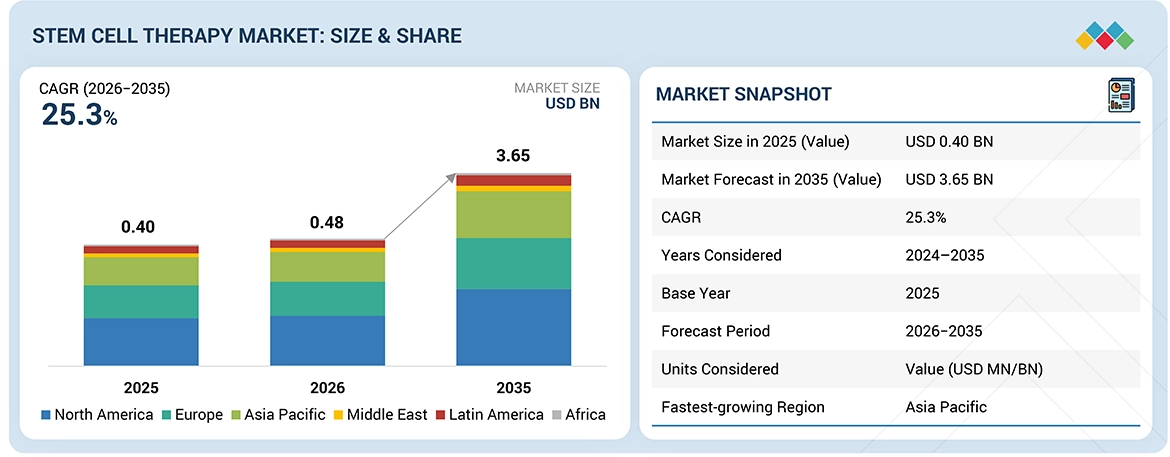
Source: Secondary Research, Interviews with Experts, MarketsandMarkets Analysis
The global stem cell therapy market is projected to grow from USD 0.48 billion in 2026 to USD 3.65 billion by 2035, at a CAGR of 25.3% during the forecast period. The market was valued at USD 0.40 billion in 2025. Stem cell therapy is a key area of regenerative medicine that uses viable stem cells, progenitor cells, or stem-cell-derived cells to repair, replace, regenerate, or restore damaged tissues and biological functions. Market growth is primarily driven by the rising burden of chronic and degenerative diseases, increasing approvals of stem cell-based therapies, growing adoption of allogeneic and autologous cell therapy platforms, and continued advancements in cell isolation, expansion, cryopreservation, potency testing, and GMP-compliant manufacturing.
KEY TAKEAWAYS
-
MARKET SNAPSHOT:
Base Year Market Size (2025): USD 0.40 Billion
Current Market Size (2026): USD 0.48 Billion
Forecast Market Size (2035): USD 3.65 Billion
CAGR (2026–2035): 25.3% -
SEGMENT LEADERSHIP:
Fastest-Growing Region: Europe is the fastest-growing regional segment, with a CAGR of 48.3% in the global stem cell therapy market.
Fastest-Growing Cell Type: Induced pluripotent stem cells segment is projected to grow at the highest CAGR between 2026 and 2035.
Therapy Leader: Autologous stem cell therapy segment accounted for the largest market share in 2025.
Application Leader: Musculoskeletal disorders segment accounted for the largest share by therapeutic application in 2025.
End User Leader: Hospitals dominated the global stem cell therapy market in 2025. -
MARKET OUTLOOK & COMPETITIVE LANDSCAPE:
Vericel Corporation, Mesoblast Ltd., MEDIPOST, and JCR Pharmaceuticals Co., Ltd were identified as some of the star players in the global stem cell therapy market, given their strong market shares and product footprints.
Longeveron and Nature Cell have distinguished themselves among startups and SMEs by securing strong footholds in specialized niche areas, underscoring their potential as emerging market leaders.
The stem cell therapy market is expanding for several reasons. These include the rising burden of chronic, degenerative, inflammatory, autoimmune, and genetic disorders; increasing clinical adoption of regenerative medicine; growing approvals of stem cell-based and stem-cell-derived therapies; and rising use of allogeneic and autologous cell therapy platforms across hospitals, specialty clinics, and transplant centers. The market is also supported by advancements in stem cell isolation, cell expansion, differentiation, cryopreservation, potency testing, and GMP-compliant manufacturing, which are improving product consistency, scalability, and clinical reliability. In addition, growing investment in MSC therapies, hematopoietic stem/progenitor cell therapies, iPSC-derived products, and tissue-engineered cell therapies is strengthening the development pipeline. Stricter regulatory expectations around sterility, donor screening, cell characterization, batch-to-batch consistency, traceability, and long-term safety monitoring are further encouraging companies to adopt validated and standardized manufacturing workflows, supporting the commercialization of stem cell therapies across musculoskeletal disorders, wounds and surgeries, inflammatory and autoimmune diseases, cardiovascular diseases, neurological disorders, and other therapeutic applications.
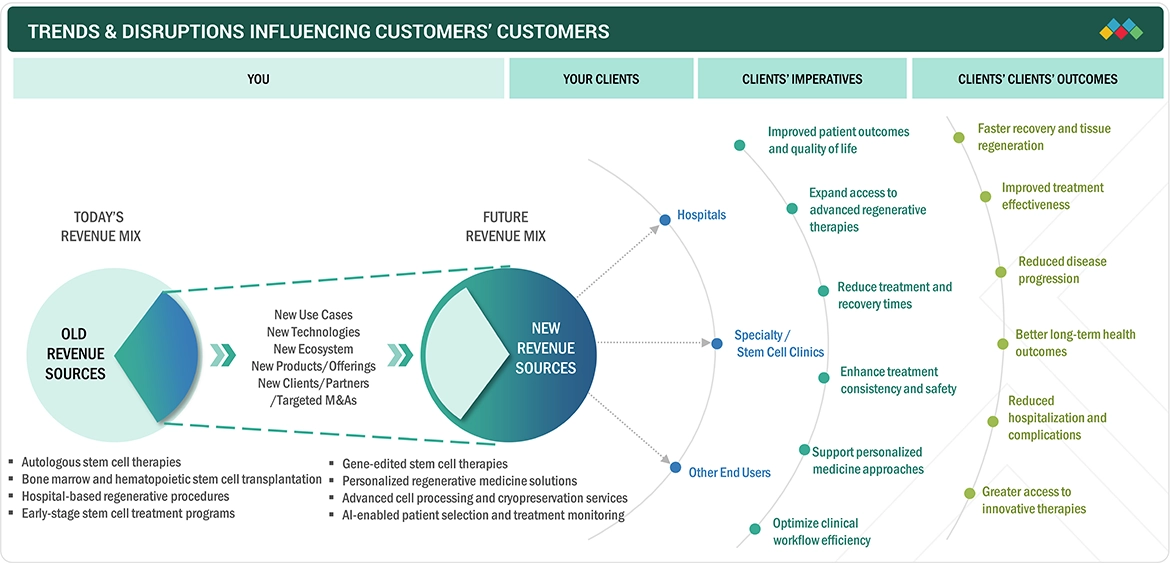
TRENDS & DISRUPTIONS IMPACTING CUSTOMERS' CUSTOMERS
The stem cell therapy market is undergoing a major shift from small-scale, procedure-based, and research-driven applications toward regulated, GMP-manufactured, clinically validated, and commercially scalable therapies. Revenue generation is increasingly moving toward high-value solutions that combine cell sourcing, isolation, expansion, differentiation, cryopreservation, quality testing, logistics, and clinical delivery. Hospitals, transplant centers, specialty clinics, and biopharmaceutical companies are demanding more standardized, reproducible, and safer stem cell therapy workflows to improve patient outcomes and regulatory compliance. This is driving adoption of closed-system manufacturing, automated cell processing, advanced potency testing, digital chain-of-identity systems, and validated quality-control platforms. As a result, companies are shifting from standalone cell processing services to integrated therapy ecosystems involving developers, CDMOs, cell banks, testing providers, logistics partners, and payers. These changes are strengthening commercialization across MSC therapies, HSPC therapies, iPSC-derived products, and tissue-engineered regenerative cell therapies. Overall, technological and regulatory advancements are improving scalability, safety, consistency, reimbursement readiness, and long-term market adoption of stem cell therapies.
Source: Secondary Research, Interviews with Experts, MarketsandMarkets Analysis
MARKET DYNAMICS

Level
-
Rising regulatory approvals validating stem cell therapy as viable commercial treatment class

-
High unmet needs in rare and chronic diseases driving demand for curative therapies


Level
-
High therapy price and uncertain reimbursement

-
Manufacturing complexity and high cost of goods limiting scalability and margins


Level
-
iPSC-derived therapies offering long-term opportunities for scalable cell replacement

-
Allogeneic MSC and progenitor-cell platforms expanding access beyond individualized therapy


Level
-
Potency testing and product characterization challenges

-
Demonstrating clear clinical efficacy difficult in heterogeneous regenerative indications

Source: Secondary Research, Interviews with Experts, MarketsandMarkets Analysis
Driver: Rising regulatory approvals validating stem cell therapy as viable commercial treatment class
Rising regulatory approvals are strengthening confidence in stem cell therapy as a commercially viable treatment class rather than only an experimental area of regenerative medicine. Approvals of products such as Ryoncil, Omisirge, cord blood-derived HSPC products, and gene-modified HSPC therapies show that regulators are willing to approve stem/progenitor-cell therapies when clinical benefit, safety, manufacturing control, and quality standards are demonstrated. This is encouraging biopharma companies, hospitals, investors, and CDMOs to expand activity in MSC therapies, HSPC therapies, iPSC-derived products, and tissue-engineered regenerative therapies. In December 2024, the FDA approved Ryoncil as the first mesenchymal stromal cell therapy in the US, which is a major validation point for MSC-based products. These approvals are also helping improve physician awareness, payer discussions, clinical-trial activity, and commercial readiness across the stem cell therapy market.
Restraint: High therapy price and uncertain reimbursement
High therapy price and uncertain reimbursement remain major barriers because stem cell therapies often require complex cell sourcing, individualized or batch-based manufacturing, GMP facilities, release testing, cryopreservation, logistics, hospitalization, specialist administration, and long-term follow-up. Autologous and gene-modified stem cell therapies are especially expensive because they involve patient-specific collection, manufacturing, conditioning, chain-of-identity control, and specialized treatment-center infrastructure. Even when a therapy is clinically effective, adoption can remain limited if hospitals are uncertain about payment, payers restrict coverage, or patients face access barriers. The need for outcomes-based reimbursement models highlights that payers want clearer evidence of long-term durability and cost offset before supporting broad use. CMS’s Cell and Gene Therapy Access Model, initially focused on sickle cell disease gene therapies, reflects this market challenge by linking access and payment more closely to outcomes and provider data submission.
Opportunity: iPSC-derived therapies offering long-term opportunities for scalable cell replacement
iPSC-derived therapies represent one of the most important long-term opportunities in the stem cell therapy market because they can potentially enable scalable, standardized, allogeneic, off-the-shelf cell replacement products. Unlike many autologous therapies, iPSC-derived platforms can be developed from master cell banks and differentiated into specific therapeutic cell types such as dopaminergic neural progenitors, cardiomyocytes, retinal cells, pancreatic beta-like cells, and other specialized cells. This could expand the market into large, high-unmet-need indications such as Parkinson’s disease, heart failure, diabetes, retinal degeneration, and other chronic degenerative disorders. In March 2026, Sumitomo Pharma announced conditional and time-limited approval in Japan for an allogeneic iPSC-derived product for Parkinson’s disease, marking an important commercial milestone for iPSC-based regenerative medicine. However, the opportunity will depend on proving long-term safety, consistency of differentiation, tumorigenicity control, immune compatibility, and reimbursement feasibility.
Challenge: Potency testing and product characterization challenges
Potency testing and product characterization are major challenges because stem cell therapies are living, heterogeneous, and highly sensitive to donor source, culture conditions, passage number, differentiation state, cryopreservation, and manufacturing changes. Unlike conventional drugs, the active mechanism of stem cell products may involve multiple functions, including engraftment, differentiation, paracrine signaling, immunomodulation, tissue repair, or hematopoietic reconstitution. This makes it difficult to design a single potency assay that reliably predicts clinical performance across every batch. Developers must demonstrate identity, purity, viability, sterility, genetic stability, potency, and batch-to-batch comparability, especially when scaling from clinical to commercial manufacturing. FDA’s guidance on potency assurance and manufacturing comparability shows that regulators view these issues as central to the successful development and approval of human cellular and gene therapy products.
STEM CELL THERAPY MARKET: COMMERCIAL USE CASES ACROSS INDUSTRIES
| COMPANY | USE CASE DESCRIPTION | BENEFITS |
|---|---|---|
 |
Provides Ryoncil / remestemcel-L-rknd, an allogeneic bone marrow-derived mesenchymal stromal cell therapy approved by the FDA for pediatric steroid-refractory acute graft-versus-host disease (US Food and Drug Administration) | Validates MSC therapy as a commercial treatment class, supports transplant-center adoption, and addresses a high-unmet-need complication after hematopoietic stem cell transplantation |
 |
Provides CARTISTEM, an allogeneic umbilical cord blood-derived mesenchymal stem cell therapy used for knee cartilage defects in patients with osteoarthritis (MEDIPOST) | Enables off-the-shelf cartilage regeneration, strengthens the musculoskeletal stem cell therapy segment, and supports broader use of allogeneic MSCs in orthopedic indications |
 |
Markets TEMCELL HS Inj., Japan’s first allogeneic regenerative medical product manufactured from healthy donor bone marrow-derived mesenchymal stem cells for acute GVHD | Demonstrates a commercial model for donor-derived MSC therapy, supports treatment of severe transplant complications, and strengthens Japan’s regulated regenerative medicine market |
Logos and trademarks shown above are the property of their respective owners. Their use here is for informational and illustrative purposes only.
MARKET ECOSYSTEM
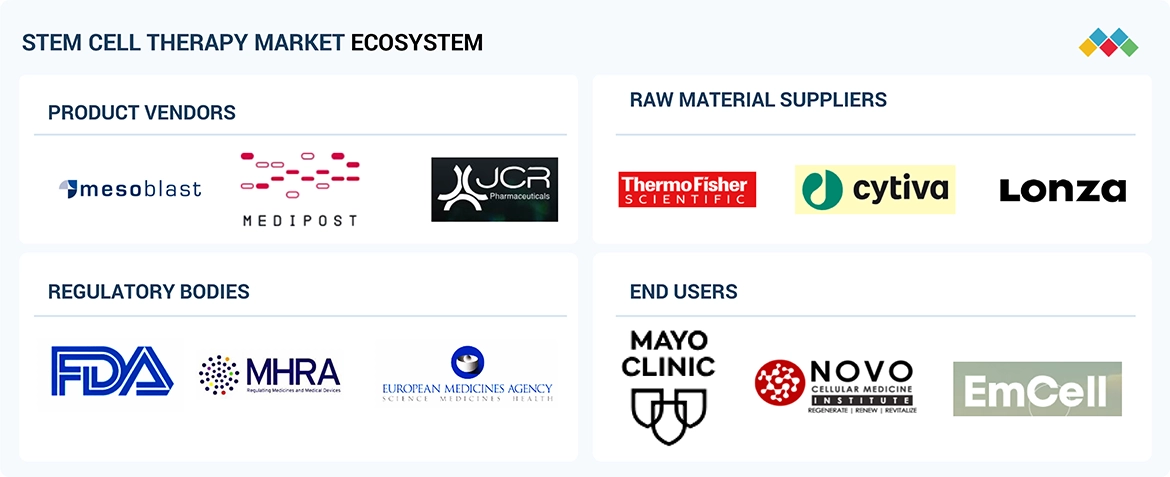
The stem cell therapy market encompasses a diverse ecosystem of stakeholders, including product manufacturers, stem-cell reagent and consumable suppliers, instrument providers, distributors, and end users such as pharmaceutical and biotechnology companies, stem cell processing laboratories, academic and research institutions, hospitals, CROs, CDMOs, and government/regulatory laboratories. Manufacturers develop, produce, and supply stem cell–based therapeutic products and supporting solutions, ranging from cell culture media, growth factors, scaffolds, bioreactors, cryopreservation systems, and quality-control reagents to automated cell-processing and expansion platforms. These products and services are widely used across applications such as regenerative medicine, oncology, orthopedics, cardiovascular repair, neurology, metabolic diseases, immunology, and gene-modified stem cell therapies. Companies operating in this ecosystem must comply with stringent regulatory requirements and quality standards to ensure product safety, potency, consistency, and clinical reliability. Regulatory and quality oversight is critical to maintaining the integrity of the stem cell therapy supply chain from donor tissue sourcing, cell isolation, expansion, and characterization to final manufacturing, distribution, clinical administration, and post-treatment monitoring across clinical, research, and commercial workflows.
Logos and trademarks shown above are the property of their respective owners. Their use here is for informational and illustrative purposes only.
MARKET SEGMENTS
Source: Secondary Research, Interviews with Experts, MarketsandMarkets Analysis
Global Stem Cell Therapy Market, By Cell Source
In 2025, tissue-specific stem cell therapy accounted for the major share in the stem cell therapy market because these therapies are more clinically established, better understood, and closer to routine therapeutic use compared with newer pluripotent stem cell platforms such as iPSCs and embryonic stem cells. Tissue-specific stem cells are already associated with defined therapeutic functions in specific organs or tissues, such as corneal epithelial stem cells for ocular surface repair, hematopoietic stem/progenitor cells for blood and immune reconstitution, chondrocyte/cartilage-related cell therapies for musculoskeletal repair, and epithelial or skin-derived cell therapies for wounds and burns.
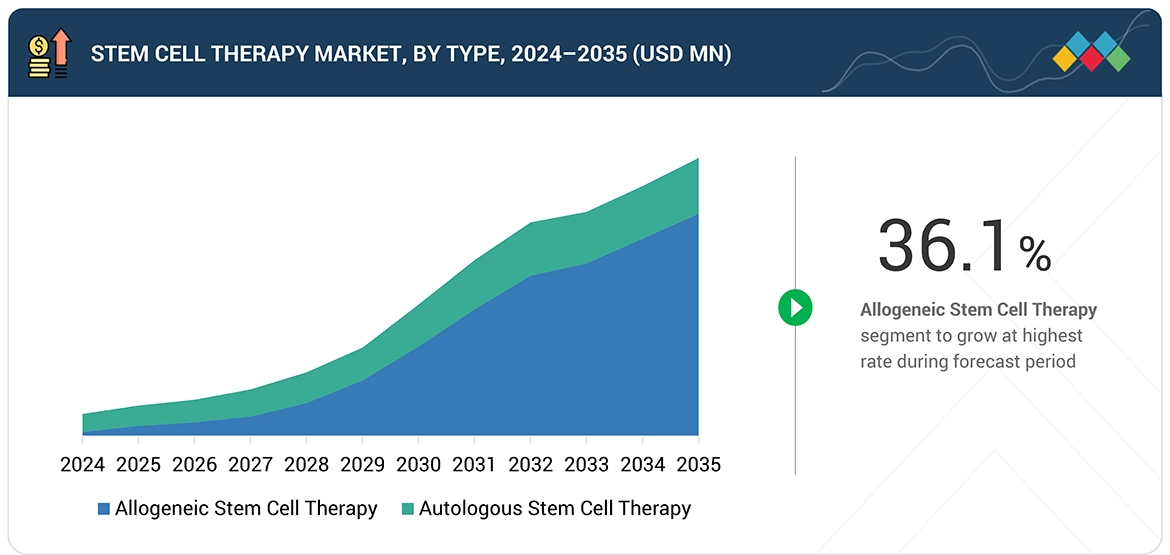
Global Stem Cell Therapy Market, By Type
In 2025, autologous stem cell therapy accounted for the largest share of the stem cell therapy market because it has greater clinical familiarity, a longer history of use, and better acceptance among physicians and treatment centers than many newer allogeneic and iPSC-derived platforms. Autologous therapies use the patient’s own cells, which reduces the risk of immune rejection and donor-recipient incompatibility, making them suitable for applications such as hematopoietic stem cell transplantation, gene-modified HSPC therapies, cartilage repair, ocular surface regeneration, wound repair, and selected cardiovascular or neurological indications.
Global Stem Cell Therapy Market, By Therapeutic Application
The musculoskeletal disorders segment accounted for the largest share in 2025. This growth was driven by the high prevalence of orthopedic conditions, increasing demand for regenerative treatments for cartilage repair and bone regeneration, and growing clinical evidence supporting stem cell-based interventions in joint and spine disorders.
Global Stem Cell Therapy Market, By End User
In 2025, the hospitals segment accounted for the largest share, driven by the availability of advanced infrastructure for cell therapy administration, multidisciplinary clinical teams, and increasing integration of regenerative medicine into standard treatment protocols across surgical and therapeutic departments.
REGION
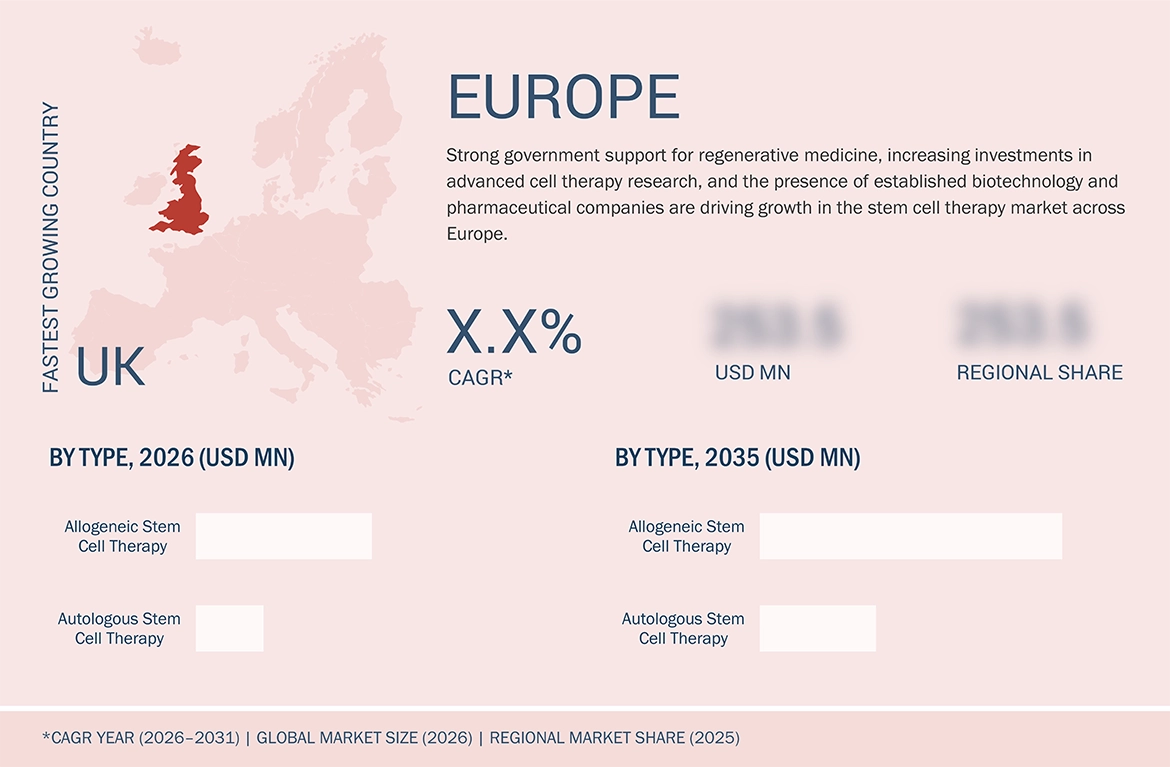
Europe to be fastest-growing region in market during forecast period
Europe is projected to be the fastest-growing region in the stem cell therapy market due to its strong regulatory framework for advanced therapy medicinal products, expanding transplant and cell therapy infrastructure, high clinical trial activity, and rising investment in scalable ATMP manufacturing. The EMA classifies substantially manipulated or non-homologous stem-cell products as ATMPs and has a dedicated Committee for Advanced Therapies, creating a clear pathway for stem cell-based product assessment, scientific advice, and market authorization. Europe also has a large hematopoietic cell therapy base; the EBMT reported 47,731 hematopoietic cell transplants in 43,902 patients across 696 European centers in 2023, supporting strong treatment-center readiness for stem/progenitor-cell therapies.
STEM CELL THERAPY MARKET: COMPANY EVALUATION MATRIX
Vericel Corporation is an established player in the broader stem cell therapy and regenerative medicine ecosystem, supported by its strong portfolio of autologous cell-based and regenerative repair products for orthopedic and severe burn care applications. Although the company is not a broad multi-platform stem cell therapy developer across all cell sources, its commercial regenerative products, particularly MACI for cartilage repair, position it as an important player serving hospitals, specialty surgeons, burn centers, and orthopedic care providers. Its products support tissue repair, cartilage regeneration, and advanced wound healing, making the company highly relevant to the evolving regenerative medicine landscape. Meanwhile, Vertex Pharmaceuticals is emerging as a strong player in the stem cell therapy market through its focus on stem-cell-derived programs for type 1 diabetes, strengthening its long-term position in cell replacement therapy. As stem cell therapy continues to shift toward clinically validated, high-value, and commercially scalable treatments, Vericel’s regenerative medicine franchise and Vertex’s advanced stem-cell-based pipeline are expected to increase their relevance in the market.
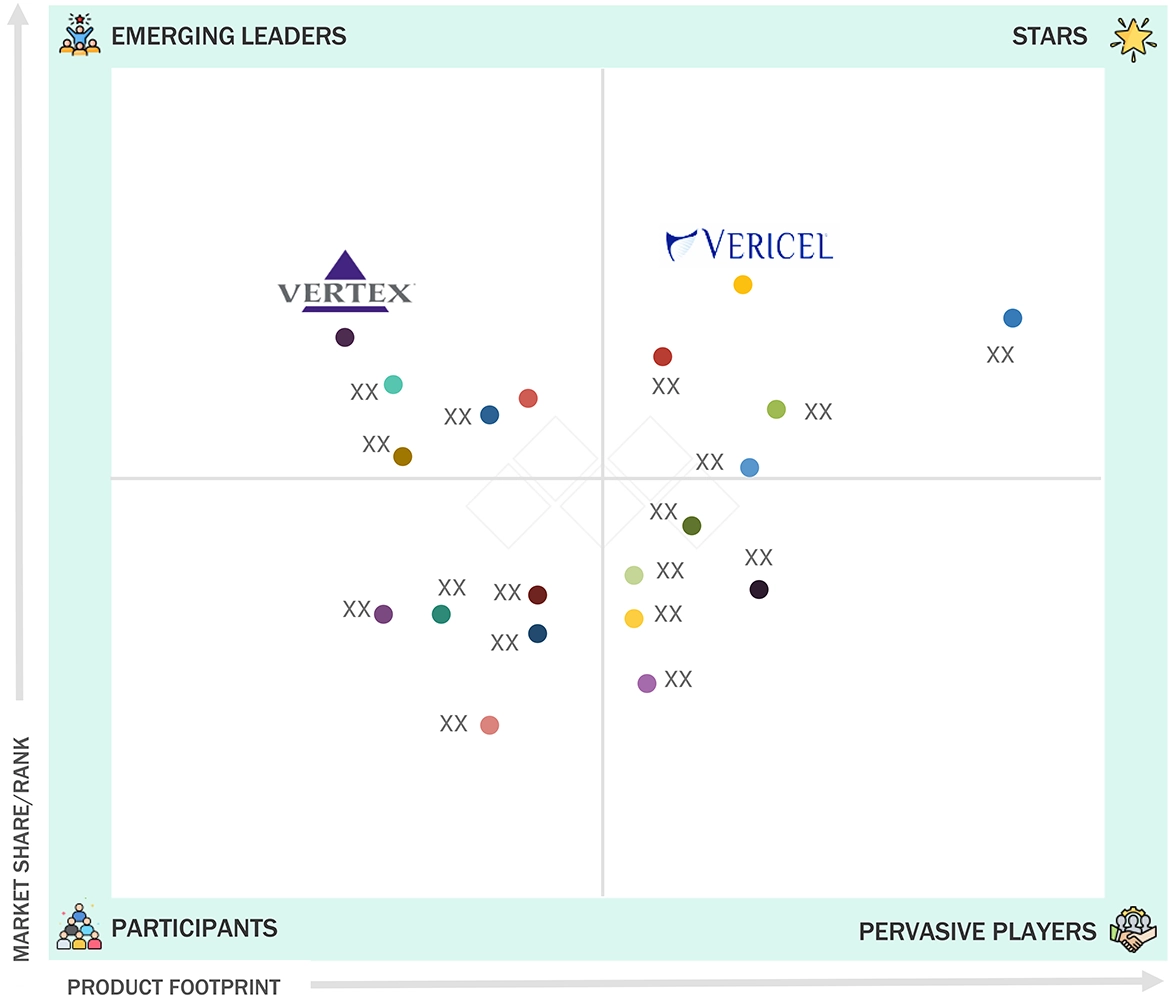
Source: Secondary Research, Interviews with Experts, MarketsandMarkets Analysis
KEY MARKET PLAYERS
- Vericel Corporation (US)
- Mesoblast (Australia)
- MEDIPOST (South Korea)
- JCR Pharmaceuticals Co., Ltd. (Japan)
- Takeda Pharmaceutical Company Limited (Japan)
- Anterogen Co., Ltd. (South Korea)
- CorestemChemon Inc. / Corestem, Inc. (South Korea)
- Vertex Pharmaceuticals (US)
- Pharmicell Co., Ltd. (South Korea)
- Holostem Terapie Avanzate Srl (Italy)
- Stempeutics Research Pvt. Ltd. (India)
- Cipla Limited (India)
- Bayer AG (Germany)
- Aspen Neuroscience (US)
- Longeveron Inc. (US)
- Smith+Nephew (UK)
MARKET SCOPE
| REPORT METRIC | DETAILS |
|---|---|
| Market Size in 2025 (Value) | USD 0.40 Billion |
| Market Forecast in 2035 (Value) | USD 3.65 Billion |
| Growth Rate | CAGR of 25.3% from 2026–2035 |
| Years Considered | 2024–2035 |
| Base Year | 2025 |
| Forecast Period | 2026–2035 |
| Units Considered | Value (USD Million/Billion) |
| Report Coverage | Revenue Forecast, Company Ranking, Competitive Landscape, Growth Factors, and Trends |
| Segments Covered |
|
| Regions Covered | North America, Europe, Asia Pacific, Latin America, Middle East, Africa |
WHAT IS IN IT FOR YOU: STEM CELL THERAPY MARKET REPORT CONTENT GUIDE
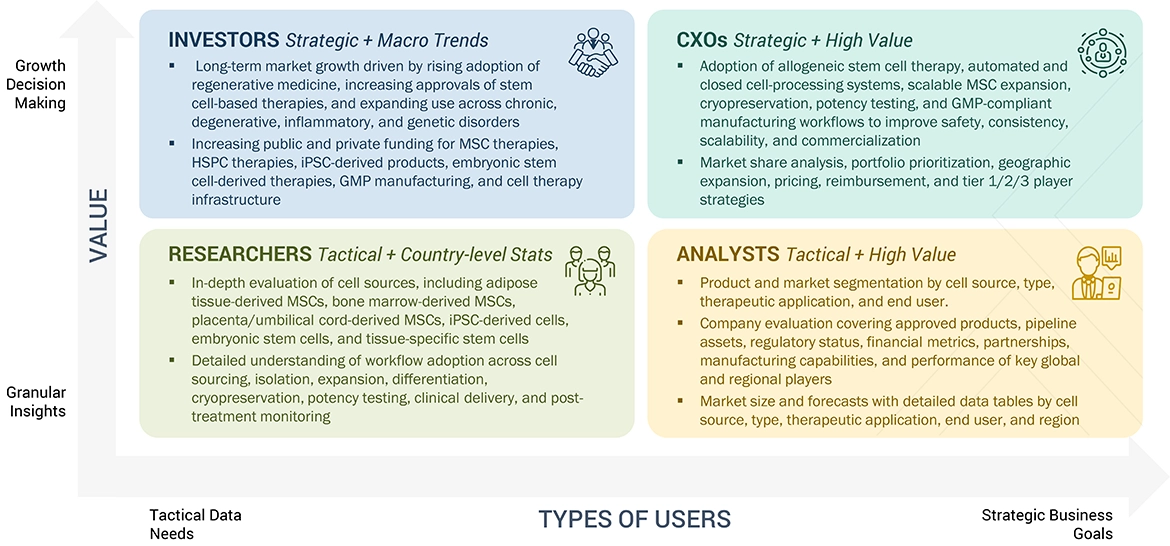
DELIVERED CUSTOMIZATIONS
We have successfully delivered the following deep-dive customizations:
| CLIENT REQUEST | CUSTOMIZATION DELIVERED | VALUE ADDS |
|---|---|---|
| Benchmarking end-user preferences for stem cell therapy products, technologies, and therapeutic applications | Mapped how hospitals, transplant centers, specialty/stem cell clinics, ambulatory surgical centers, academic institutes, and cell & tissue banks prioritize stem cell therapy adoption across allogeneic therapies, autologous therapies, MSC therapies, HSPC therapies, iPSC-derived products, and tissue-engineered regenerative cell therapies | Assessed adoption across key application areas such as musculoskeletal disorders, wounds & surgeries, inflammatory & autoimmune diseases, cardiovascular diseases, neurological disorders, ocular diseases, and rare genetic disorders |
| Identifying outsourcing, collaboration, and partnership opportunities in stem cell therapy workflow development | Mapped leading stem cell therapy developers, CDMOs, GMP cell processing providers, analytical testing companies, cryopreservation/logistics providers, cell & tissue banks, raw material suppliers, and automation platform providers supporting stem cell therapy development and commercialization | Identified potential partners for process development, GMP manufacturing, technology transfer, potency assay development, release testing, cryostorage, chain-of-identity management, regulatory support, and commercial-scale supply |
| Country-specific regulatory, accreditation, reimbursement, and procurement insights for stem cell therapies | Delivered country-level mapping of regulatory frameworks and commercialization requirements, including FDA, EMA, PMDA, MFDS, CDSCO/DCGI, GMP/CMC expectations, donor eligibility, sterility testing, potency requirements, clinical evidence standards, hospital procurement practices, and cell therapy center accreditation | Assessed funding trends, regenerative medicine initiatives, clinical trial activity, treatment-center capacity, reimbursement readiness, public health support, and country-level adoption potential for approved and pipeline stem cell therapies |
| Additional company profiling requirements for competitive intelligence | Expanded competitive profiling to include global and regional stem cell therapy players, covering product portfolios, approved/pipeline brands, cell source, therapy type, indication focus, regulatory status, geographic presence, partnerships, manufacturing model, revenue contribution, and commercialization strategy | Benchmarked players across MSC therapies, HSPC therapies, iPSC-derived therapies, tissue-engineered regenerative products, orthopedic regenerative solutions, approval status, pipeline strength, manufacturing scalability, and regional market access capabilities |
RECENT DEVELOPMENTS
- April 2026 : Mesoblast acquired an exclusive worldwide CAR (chimeric antigen receptor) technology license from Mayo Clinic to potentially enhance target specificity and immunomodulation of its mesenchymal stromal cell therapies.
- February 2026 : MEDIPOST Inc. submitted an Investigational New Drug (IND) amendment to the US Food and Drug Administration (FDA) to support initiating a Phase III clinical trial of its umbilical cord blood-derived allogeneic MSC therapy for knee osteoarthritis. Enrollment is expected to begin in the first half of 2026.
- April 2025 : XellSmart secured its fourth consecutive IND approval from both the US FDA and China’s NMPA for its allogeneic iPSC-derived therapy targeting neurodegenerative disorders such as ALS, Parkinson’s, and spinal cord injury.
Table of Contents
 Exclusive indicates content/data unique to MarketsandMarkets and not available with any competitors.
Methodology
This research study extensively used secondary sources, directories, and databases to identify and collect valuable information to analyze the global stem cell therapy market. In-depth interviews were conducted with primary respondents, including key industry participants, subject-matter experts (SMEs), C-level executives of leading market players, and industry consultants, to obtain and verify critical qualitative and quantitative information and to assess the market's growth prospects. The global market size estimated through secondary research was then triangulated with primary research inputs to arrive at the final market size.
Secondary Research
Secondary research was primarily used to identify and gather information for the extensive, technical, market-oriented, and commercial study. The secondary sources referred for this research study include publications from government sources, such as the National Center for Biotechnology Information (NCBI), National Institutes of Health (NIH), World Health Organization (WHO), Food and Drug Administration (FDA), European Medicines Agency (EMA), Pharmaceutical Research and Manufacturers of America (PhRMA), Global Cancer Observatory (GLOBOCAN), Centers for Disease Control and Prevention (CDC), and International Society for Cell & Gene Therapy (ISCT). Secondary sources also included corporate and regulatory filings (such as annual reports, SEC filings, investor presentations, and financial statements); business magazines and research journals; press releases; and trade, business, and professional associations. These sources were also used to obtain key information on major players, global product revenues, market classification, and segmentation by industry trends, regional/country-level markets, market developments, and technology perspectives. Secondary data were collected and analyzed to determine the overall size of the global stem cell therapy market, and the findings were validated through primary research.
Primary Research
Following an initial assessment of the global stem cell therapy market landscape through secondary research, comprehensive primary research was undertaken. This involved conducting in-depth interviews with market experts from the demand side, including stakeholders from pharmaceutical and biotechnology firms, CROs, CMOs, and academic and research institutions. Additionally, interviews were conducted with key supply-side participants, including C-suite and senior executives, product managers, and marketing and sales leaders from prominent manufacturers, distributors, and channel partners. The research covered six major geographical regions: North America, Europe, the Asia Pacific, Latin America, the Middle East, and Africa. Approximately 70% of the primary interviews were conducted with supply-side participants, while 30% were conducted with demand-side experts. Data collection methods included structured questionnaires, email correspondence, online surveys, personal interviews, and telephonic discussions to comprehensively understand market dynamics.
The following is a breakdown of the primary respondents:
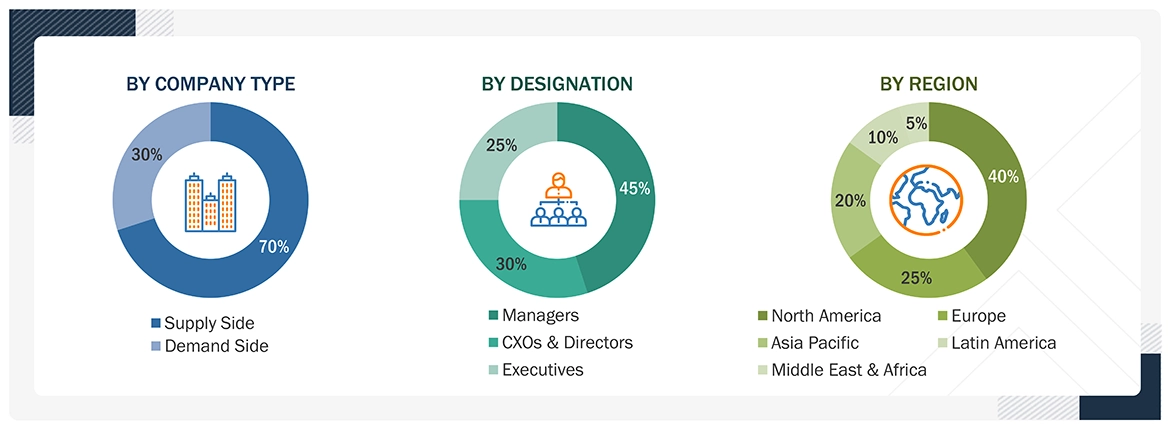
To know about the assumptions considered for the study, download the pdf brochure
Market Size Estimation
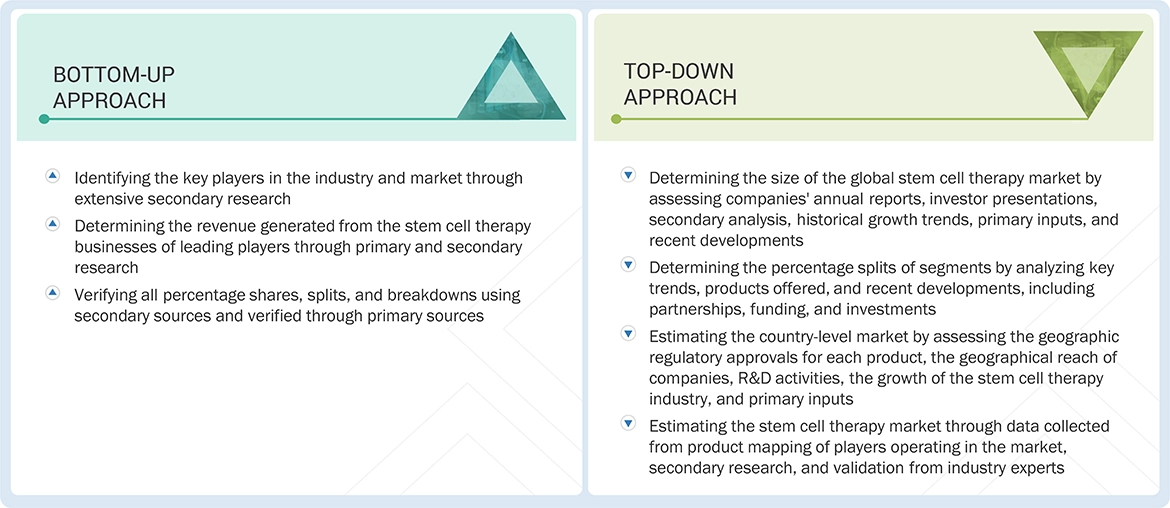
Both bottom-up and top-down approaches were used to estimate and validate the total size of the global stem cell therapy market. These methods were also widely used to estimate the sizes of various subsegments in the market. The research methodology used to estimate the market size includes the following:
- A list of the major global players operating in the stem cell therapy market was generated.
- The revenues generated from their stem cell therapy product portfolios were determined through annual reports and secondary sources (including paid databases).
- The products were mapped according to the segments of the market. Percentage shares and splits were determined based on each segment's revenue contribution. This was verified using secondary sources and by industry experts.
- All assumptions, approaches, and individual shares/revenue estimates were validated through expert interviews.
Stem Cell Therapy Market : Top-Down and Bottom-Up Approach
Data Triangulation
After estimating the overall market size from the market size estimation process, the total market was split into several segments. To complete the overall market engineering process and arrive at the exact statistics for all segments, the data triangulation procedure was employed; it involved studying various factors and trends from both the demand and supply sides.
Market Definition
The stem cell therapy market encompasses approved and commercialized stem cell-based therapeutic products, pipeline therapies, and associated clinical services used for regenerative and reparative treatment of diseases and conditions. This market includes various cell source types (adipose tissue-derived MSCs, bone marrow-derived MSCs, placenta/umbilical cord-derived MSCs, induced pluripotent stem cells, embryonic stem cells, tissue-specific stem cells, and other cell sources), therapy types (allogeneic and autologous), and therapeutic applications spanning musculoskeletal disorders, wounds & surgeries, inflammatory & autoimmune diseases, cardiovascular diseases, neurological disorders, diabetes & metabolic diseases, and other conditions. It serves end users, including hospitals, specialty/stem cell clinics, ambulatory surgical centers, academic & research institutes, and cell & tissue banks.
Key Stakeholders
- Stem cell therapy product manufacturers & developers
- Suppliers of cell processing & manufacturing systems
- National and regional research boards and organizations
- Research & development companies
- Clinical research organizations (CROs)
- Contract development and manufacturing organizations (CDMOs)
- Biotechnology companies
- Research laboratories & academic institutes
- Market research & consulting firms
- Regulatory bodies
Report Objectives
- To define, describe, and forecast the stem cell therapy market by cell source, type, therapeutic application, end user, and region
- To provide detailed information regarding the major factors influencing the market growth (such as drivers, restraints, opportunities, and challenges)
- To analyze the micromarkets with respect to individual growth trends, prospects, and contributions to the overall stem cell therapy market
- To analyze the opportunities for stakeholders and provide details of the competitive landscape for market leaders
- To forecast the size of the market segments with respect to six regions: North America, Europe, Asia Pacific, Latin America, the Middle East, and Africa
- To profile the key players and analyze their market shares and core competencies
- To track and analyze competitive developments, such as product launches, partnerships, agreements, collaborations, and expansions
- To benchmark players within the market using the proprietary “Company Evaluation Matrix” framework, which analyzes market players on various parameters within the broad categories of business and product excellence strategies
Available customizations:
With the given market data, MarketsandMarkets offers customizations to meet your company's needs. The following customization options are available for this report:
Portfolio Assesment
-
Product Matrix, which gives a detailed comparison of the product portfolios of the top three companies
Company Information
-
Detailed analysis and profiling of additional market players (up to three)
Geographical Analysis
- A further breakdown of the Rest of the Asia Pacific stem cell therapy market into countries
- A further breakdown of the Rest of the European stem cell therapy market into countries
- A further breakdown of the Rest of the Latin American stem cell therapy market into countries


Personalize This Research
- Triangulate with your Own Data
- Get Data as per your Format and Definition
- Gain a Deeper Dive on a Specific Application, Geography, Customer or Competitor
- Any level of Personalization
Let Us Help You
- What are the Known and Unknown Adjacencies Impacting the Stem Cell Therapy Market
- What will your New Revenue Sources be?
- Who will be your Top Customer; what will make them switch?
- Defend your Market Share or Win Competitors
- Get a Scorecard for Target Partners

Custom Market Research Services
We Will Customise The Research For You, In Case The Report Listed Above Does Not Meet With Your Requirements
Get 10% Free CustomisationTESTIMONIALS

JAYANT RAJPUROHIT
Director of Market Insights, Data and Analytics
SFI Health,
Leading Pharmaceutical Companywww.sfihealth.com/
We at SFI Health approached MarketsandMarkets for an Opportunity Assessment on "Incidence and Prevalence of Focus Indications" as we wanted to know the most attractive HCPs like Physician, Functional MD, Naturopath and Pharmacist. The project was critical for us to ensure our focus on the right target which would enable sustainable growth and profitability for SFI Health. The business insights provided exceeded our expectations and we were extremely impressed. The team at MarketsandMarkets is highly professional and detail oriented and very well understood our business needs. MarketsandMarkets offers a unique combination of expertise and dedicated engagement model. We identified 2 new products to be launched in coming months, based on the research findings provided by MarketsandMarkets. We are happy with the services and would strongly recommend MarketsandMarkets to my peers in the industry.

BEATRIZ DE LA CALLE
Head of Commercial Analytics
Qualicaps,
Leading Pharmaceutical Companywww.qualicaps.com/

We partnered with MarketsandMarkets for an assessment study on hard empty capsules. The team was extremely professional in understanding our business requirements and we received timely responses to all our queries. The market intelligence and the recommendations has met our business requirements. We were extremely impressed to see the final study results; it really exceeded our expectations. The market intelligence offered by MarketsandMarkets, and clarity on next steps will help us achieve our business objective for the Year 2021. We are happy with the services and would strongly recommend MarketsandMarkets to my peers in the industry.

Bob Williams,
Senior Director Business Development & Innovation
Bracco Diagnostics Inc.,
Italian Multinational in life sciences sector and a World Leader in imaging diagnosticsimaging.bracco.com/us-en
We were pleased with targeted insights that MarketsandMarkets identified from a custom study on the 'Radiation Dose Management Solutions Market'. Your team identified and characterized the market participants as well as underlying trends accurately. This study was useful to Bracco in formulating business strategies for our dose monitoring product lines and we thank MarketsandMarkets for the job well done.
Cody Coonradt,
Market Development and Strategy Manager
3M Health Information Systems,
Leader in Health care Coding, Payment & Analytics Solutions.www.3m.com/3M/en_US/health-information-systems-us
The value for our organization comes from three things: depth of research, specificity of segments and being easy to work with. As important as the first two are, the third can't be underestimated. MarketsandMarkets, maybe more than any other research vendor, wants to know what is top of mind for our team and what big questions we are grappling to answer.
Their customer first approach and high value engagement model, have given us great analysis and excellent value for money
- US Stem Cell Therapy Market
- Canada Stem Cell Therapy Market
- Germany Stem Cell Therapy Market
- UK Stem Cell Therapy Market
- France Stem Cell Therapy Market
- Italy Stem Cell Therapy Market
- Spain Stem Cell Therapy Market
- China Stem Cell Therapy Market
- Japan Stem Cell Therapy Market
- India Stem Cell Therapy Market
- South Korea Stem Cell Therapy Market
- Australia Stem Cell Therapy Market
- Brazil Stem Cell Therapy Market
- Mexico Stem Cell Therapy Market
- Saudi Arabia Stem Cell Therapy Market





Growth opportunities and latent adjacency in Stem Cell Therapy Market